
Find clear, trusted answers to the most common questions about IVF—designed to guide and support you every step of the way.
In Vitro Fertilization(IVF)
Home / Services / In Vitro Fert…..
Discover Our Solutions
Menu
Curious About IVF? Let's Talk
Call Us:
+91 63014-502122
E-mail Us:
https://drindranimogili.com
In Vitro Fertilization (IVF) Hospital for Fertility Treatment in Hyderabad
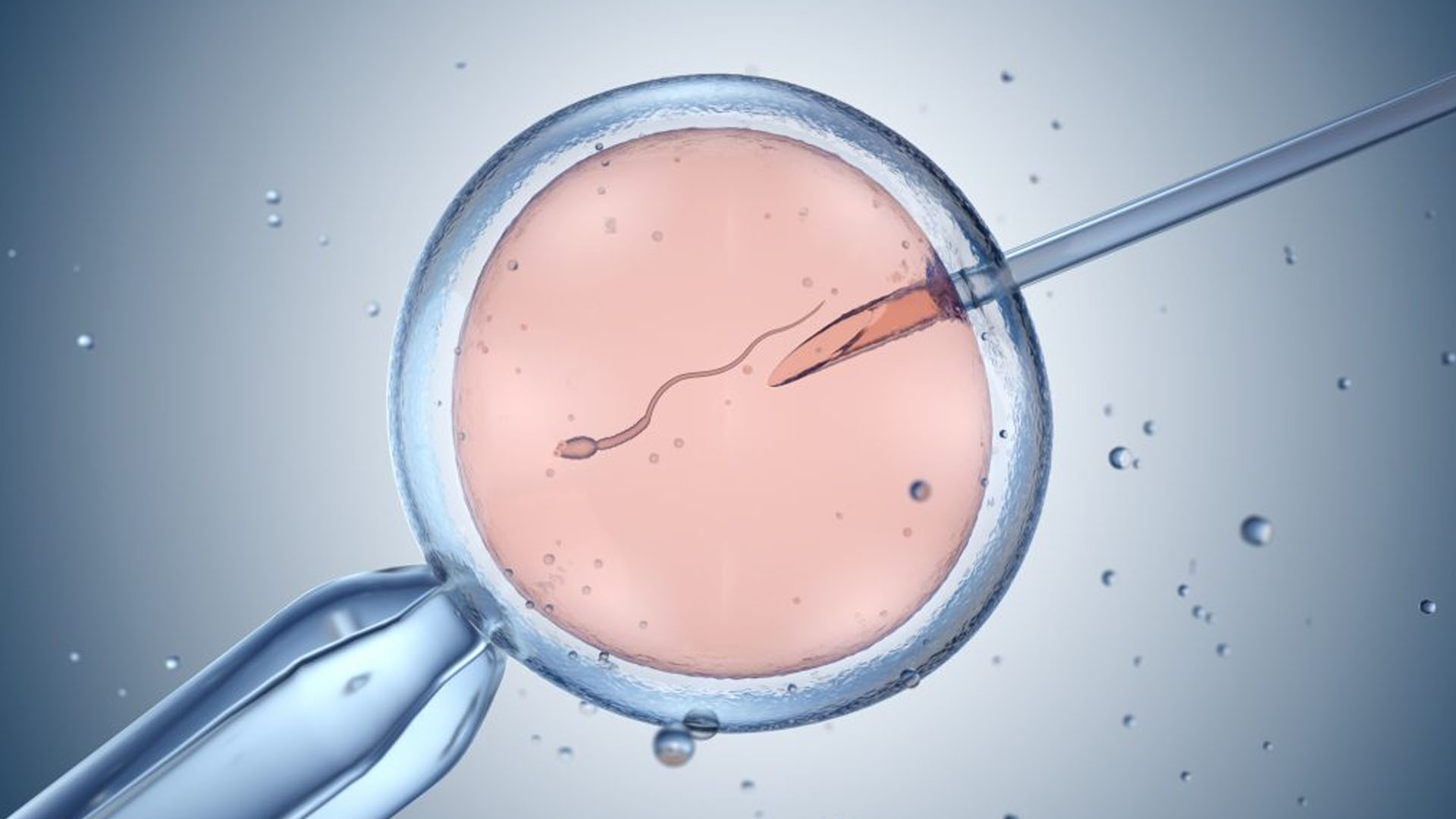
Starting or growing a family can be an important and emotional journey. For individuals and couples experiencing difficulty conceiving, In Vitro Fertilization (IVF) is one of the established fertility treatment options available today. IVF involves fertilising an egg with sperm in a laboratory and transferring the resulting embryo into the uterus.
At Dr. Indrani Mogili’s fertility practice, patients can explore fertility treatment options based on their individual medical history, fertility evaluation, age, reproductive health, and treatment needs. The practice provides fertility care and lists In Vitro Fertilization (IVF) among its fertility services.
If you are looking for an IVF Hospital for Fertility Treatment or a fertility clinic in Hyderabad, understanding how IVF works, who may benefit from it, and what to expect from treatment can help you make informed decisions with your fertility specialist.
What Is In Vitro Fertilization (IVF)?
In Vitro Fertilization, commonly called IVF, is an assisted reproductive technology in which an egg and sperm are brought together in a laboratory to facilitate fertilisation. If an embryo develops, it may subsequently be transferred into the uterus.
Unlike natural conception, where fertilisation usually occurs inside the fallopian tube, IVF allows fertilisation to take place outside the body under controlled laboratory conditions. The process can be used for different causes of infertility and may also be considered when previous fertility treatments have not resulted in pregnancy.
IVF is not a single procedure but a series of carefully coordinated steps. The exact treatment plan can differ from one patient to another depending on ovarian reserve, age, sperm parameters, previous fertility treatment, medical history and other factors.
Who May Consider IVF Treatment?
IVF may be considered when pregnancy has not occurred naturally or when there are specific fertility factors that make assisted conception appropriate.
Depending on the individual assessment, IVF may be considered in situations such as:
- Blocked or damaged fallopian tubes
- Certain ovulation-related fertility problems
- Endometriosis
- Male-factor infertility, including problems with sperm count or movement
- Reduced ovarian reserve or age-related fertility decline
- Some cases of unexplained infertility
- Previous unsuccessful fertility treatments
- Certain situations involving genetic or inherited conditions
- Fertility preservation in appropriate circumstances
The decision to proceed with IVF should be based on a complete fertility evaluation rather than a single test or symptom.
A fertility specialist may assess both partners because infertility can involve female factors, male factors, a combination of both, or sometimes no clearly identifiable cause. A fertility evaluation may include medical and reproductive history, hormonal testing, ultrasound assessment, evaluation of the uterus and fallopian tubes when appropriate, and semen analysis.
IVF Treatment Process Step by Step
The IVF process generally involves several stages. The exact medicines, monitoring schedule and procedures are personalised according to the patient’s needs.
1. Initial Fertility Assessment
Before beginning IVF, the fertility specialist reviews the patient’s medical history, previous pregnancy history, menstrual cycle, previous fertility treatments and other relevant factors.
Investigations may be recommended to understand ovarian reserve, uterine health, ovulation and sperm parameters.
This assessment helps the fertility team determine whether IVF is appropriate and which treatment approach may be suitable.
2. Ovarian Stimulation
During a natural menstrual cycle, usually one egg becomes available for ovulation. IVF treatment commonly uses fertility medicines to stimulate the ovaries to develop multiple follicles.
The ovaries are monitored using ultrasound examinations and, when appropriate, blood tests. Monitoring helps the fertility team determine how the ovaries are responding to medication and when the eggs are ready for collection.
3. Egg Retrieval
When the follicles reach the appropriate stage of development, medication is used to prepare the eggs for collection.
Egg retrieval is performed using a specialised procedure in which eggs are collected from the ovaries. The retrieved eggs are then transferred to the embryology laboratory for evaluation and fertilisation.
4. Sperm Collection and Preparation
A sperm sample is generally collected around the time of egg retrieval. In certain situations, sperm may be obtained or preserved in advance.
The laboratory prepares the sperm sample for fertilisation. Depending on the clinical circumstances and laboratory plan, conventional IVF or a related fertilisation technique may be considered.
5. Fertilisation and Embryo Development
The collected eggs are fertilised with sperm in the laboratory. Following fertilisation, embryos are monitored as they develop.
Not every retrieved egg will fertilise, and not every fertilised egg will continue developing into an embryo suitable for transfer. This is an important part of understanding IVF because treatment outcomes can vary between individuals and cycles.
6. Embryo Transfer
When an embryo is considered appropriate for transfer, it may be placed into the uterus using a thin catheter.
The number of embryos transferred is an important clinical decision. In many situations, transferring a single embryo is preferred because multiple pregnancies can increase pregnancy and birth-related risks.
7. Pregnancy Test and Follow-Up
Following embryo transfer, the patient is given instructions about medication, monitoring and when to take a pregnancy test.
If pregnancy occurs, follow-up appointments and ultrasound monitoring are used to assess early pregnancy development.
How Long Does an IVF Cycle Take?
The duration of an IVF cycle can vary depending on the treatment protocol, response to medication, investigations and whether fresh or frozen embryo transfer is planned.
A complete IVF cycle may take several weeks. The NHS notes that a typical IVF cycle takes around 3 to 6 weeks, although individual treatment timelines can differ.
Your fertility specialist will explain your personalised treatment schedule before the cycle begins.
Frequently Asked Questions About IVF
1. What is IVF?
IVF, or In Vitro Fertilization, is an assisted reproductive treatment in which an egg is fertilised with sperm in a laboratory and the resulting embryo may be transferred into the uterus.
2. Who may need IVF treatment?
IVF may be considered for different causes of infertility, including tubal problems, some ovulation disorders, male-factor infertility, endometriosis, unexplained infertility and certain cases where previous fertility treatments have not worked.
3. Does IVF guarantee pregnancy?
No. IVF can provide an opportunity for pregnancy, but it cannot guarantee a pregnancy or live birth. Outcomes depend on several individual factors, including age, ovarian reserve, sperm quality, embryo development and the underlying cause of infertility.
4. How long does an IVF cycle take?
A typical IVF cycle may take approximately 3 to 6 weeks, although the actual timeline depends on the treatment protocol and individual circumstances.
5. Is IVF painful?
Some stages of IVF, including injections and egg retrieval, may cause discomfort. The experience varies between individuals. Your fertility team can explain the procedure, pain-management options and what to expect before treatment.
6. Can IVF be used for male infertility?
Yes. IVF may be considered in certain cases of male-factor infertility. The appropriate treatment depends on factors such as sperm count, movement, morphology and the overall fertility assessment.
7. What happens after embryo transfer?
After embryo transfer, the patient follows the prescribed medication and monitoring plan and takes a pregnancy test at the time advised by the fertility team. Further follow-up is arranged if the test is positive.
- WHY CHOOSE US
Why families trust our IVF
experts
With a commitment to excellence and cutting-edge reproductive technology, We offers a comprehensive range of fertility treatments.
500+
Happy Families
We’ve helped over 500 families experience the joy of parenthood through your trusted fertility and IVF treatment.
22+
Our Centers Across the Region
With over 22 centers across the region, we ensure advanced fertility care is always within your reach.
45+
IVF Success Winging Awards
We’ve helped over 500 families experience the joy of parenthood through your trusted fertility and IVF treatment.
- OUR FUN FACTS
Numbers that reflect care
compassion!
Our organic farming services promote eco-friendly practices enhance soil health, conserve water, and ensure chemical-free, produce. We focus on sustainability, biodiversity, and innovative agricultural solutions.

- A legacy of trust & care
- Cutting-edge fertility solutions
- Transforming dreams into reality

Years Of Experience
0
+
Patient Satisfaction
0
%
Happy Families
0
K+
- FAQs
Your IVF questions, clearly
answered here
Curious About IVF? Let's Talk
Call Us:
+91 63014-502122
E-mail Us:
https://drindranimogili.com
How long does IVF take?
Schedule a consultation with our fertility experts and take the first step toward your parenthood journey.
How long does IVF take?
Schedule a consultation with our fertility experts and take the first step toward your parenthood journey.
How long does IVF take?
Schedule a consultation with our fertility experts and take the first step toward your parenthood journey.
How long does IVF take?
Schedule a consultation with our fertility experts and take the first step toward your parenthood journey.
How long does IVF take?
Schedule a consultation with our fertility experts and take the first step toward your parenthood journey.